Booked your first session and wondering what to expect podcast recording session day actually brings? First-timers often tell us they expected to be handed equipment and left to it. That is not how a session runs here in El Paso. You are not operating anything. So here is the whole thing in order: what to send ahead, what to bring, what happens in the room, and what you walk out holding.
Your Only Job In That Room Is To Talk
The reason a first session feels intimidating is the equipment. There is a lot of it, and it looks like something you are supposed to know how to use. Of course, you are not. An engineer runs every session here, and that is not an extra. It is how the room works.
So nothing in the booking depends on your technical knowledge. You do not need a microphone, headphones, a camera or any cables. Those live here, and they sit ready before you arrive. Then the only preparation left is knowing roughly what you want to say.
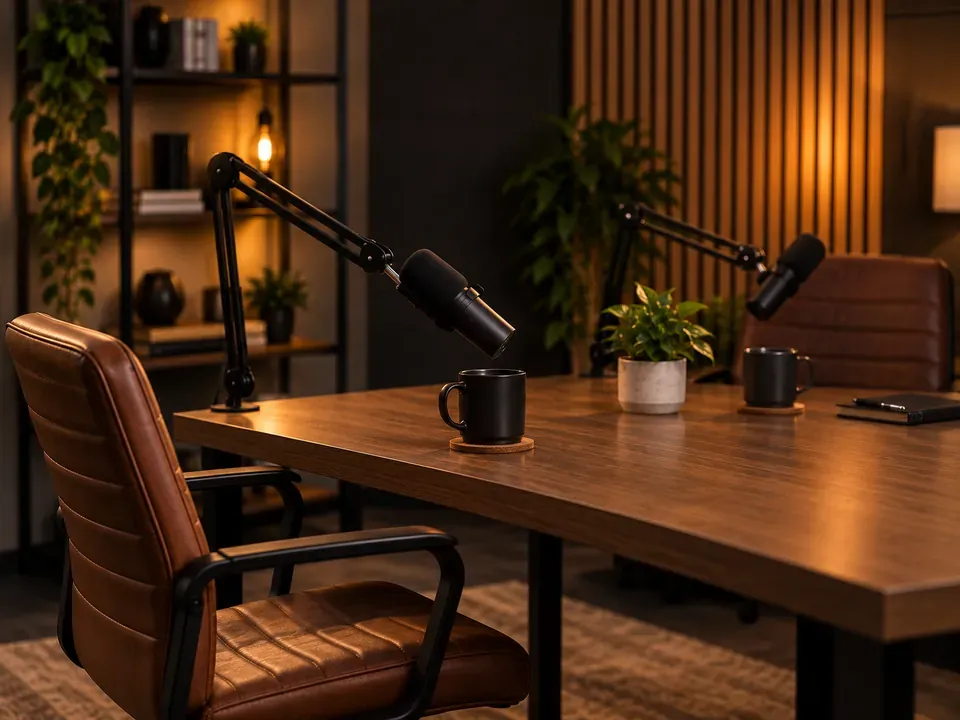
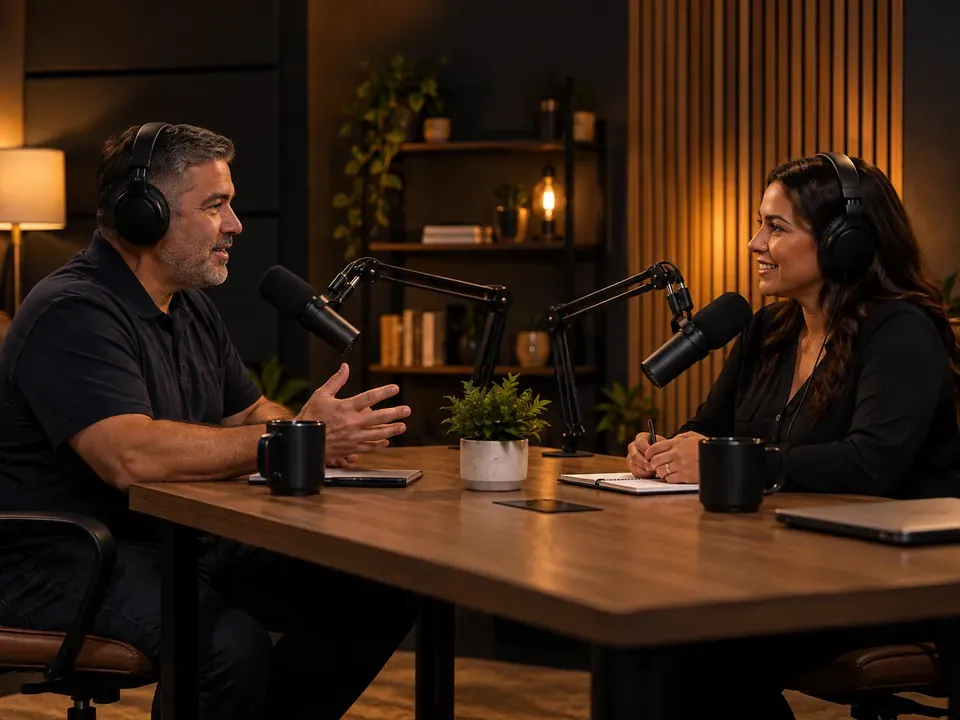
Meanwhile the room itself does more than you would expect. At our El Paso podcast studio for rent the lighting and the set change per booking, so a solo episode and a four-person panel do not look like the same shoot.
The Session At A Glance
First, here is the shape of the day. Overall it takes less setting up than the equipment suggests, because almost none of the setting up belongs to you.
| Stage | What it means | Where it comes from | What you notice |
|---|---|---|---|
| Before the day | You send an outline and a guest count. | The room gets built around the number of voices. | Everything is in position when you walk in. |
| What to bring | Notes, water, and anything you want on camera. | The studio supplies the technical side. | No cables, no microphone, no camera to carry. |
| Sound check | The engineer sets a level for each voice. | Loud and quiet speakers need different treatment. | Small adjustments continue while you talk. |
| The set | Lighting and seating follow how many voices you have. | Repositionable furniture and adjustable lighting. | A solo episode and a panel look different. |
| Restarts | You pause, breathe, and say the line again. | Normal practice rather than a problem. | The engineer marks it and the edit takes care of it. |
| Wrap | The recording is complete when you stand up. | Everything downstream is production work. | You leave with the session captured. |
What To Expect Podcast Recording Session: Hour By Hour
First, send anything you want us to know ahead of time. An outline, a rough running order, the names of your guests, and how many voices are coming. The guest count is the one that changes the room, because the seating and the microphones follow it.
Then, on the day, the first stretch is settling rather than recording. You come in, see the set, sit where you will be sitting, and get the headphones on. This is when the nerves do most of their work, which is exactly why nobody rushes it.
Next comes sound check. The engineer sets a level for each voice, because a loud guest and a quiet one need different treatment. However, the adjusting does not stop there. Levels drift as people relax, so small corrections continue quietly through the session. Level-setting and monitoring are ordinary audio engineering work, and the Audio Engineering Society publishes audio standards material covering it.
Then you record. If you fumble a line, you pause, take a breath, and say it again. The engineer marks the spot and the edit takes care of it. Of course, restarts are normal, and treating them as a problem in the room is the only thing that makes them one.
Finally the session wraps. You leave, and the files stay with the engineer for the rest of the chain.
What The Engineer Is Doing While You Talk
Not much that you will notice, which is rather the point. They are watching levels, listening for room noise, keeping an eye on the cameras, and marking anything that will need attention later.
So the value is not the equipment list. It is that somebody pays full attention to the technical side while you pay none of it. Of course, that is also why a session here is a booking rather than a project. For how shows are generally produced, the Podcasters Association publishes podcasting industry practice material.
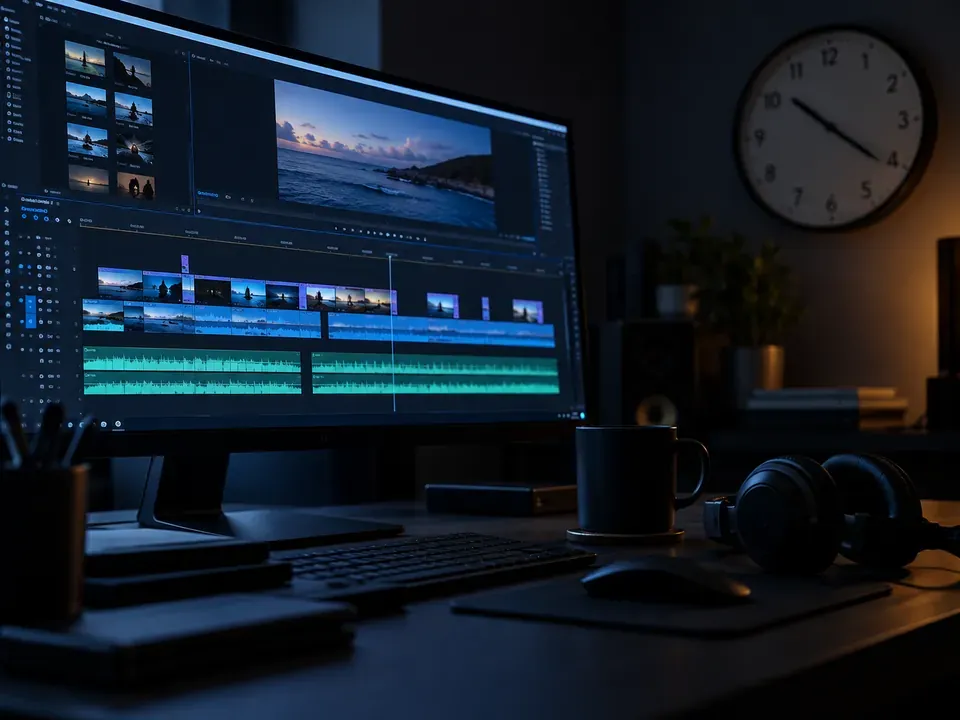
If you want the audio finished as well as captured, audio recording and voiceover covers that side of it. Then the recording and the polish happen in the same place.
How Many People Fit, And What Changes
The set is arranged around the number of chairs and microphones you need. So tell us how many voices are coming when you book, and the room is right before you walk in.
Also, the look changes with it. Lighting, seating and camera positions differ for a solo episode, a two-hander and a panel. For example, the intake counseling episode runs with two guests, so that room was set for three voices rather than one.
However, more voices does not mean more work for you. It means more of the setting up happens before you arrive, and rather less of it happens while you are watching.
What You Walk Out Holding
The session ends with the recording captured and the files held at the studio end. Then the rest of the chain, the cut, the levels and the clips, happens after you go.
So the useful thing to know is what is finished and what is not. The recording is finished when you stand up. Meanwhile everything downstream of it is production work, and that is the part worth deciding about before you book a series.
Ask about it at the wrap rather than a week later. What you want back and in what form is a two-minute conversation in the room, and a much longer one over email.
What To Bring, And The Short List Of What Not To
First, the short version: bring yourself and your notes. Then leave the technical half of the list at home, because it is already here.
- Your outline or notes. On paper or on a phone. So you have something to glance at when a thread runs out.
- Water. Of course, an hour of talking is thirsty work, and a dry mouth is audible.
- Anything you want on camera. A product, a book, a prop. Then it is in shot rather than described.
- Nothing technical. No microphone, no headphones, no camera and no cables. Those are here and already set up.
Booking Your Next One Before You Leave
So the last five minutes of a session are worth using. Then you can settle the next one while the room is still fresh in your head.
- Book the follow-up now. Specifically, a date in the diary beats an intention every time.
- Say how many voices next time. Then the room is set before you arrive, again.
- Record more than one while you are here. Of course, the setup already happened, so the second episode costs far less of your day than the first.
- Say what you want back. Also, the format you need for clips is worth naming in the room rather than over email later.
However, if you are still deciding where to record at all, the room you pick changes more than the equipment list does.
How location affects audio quality
Frequently Asked Questions
You arrive, see the set, sit down and get the headphones on. Then the engineer runs a sound check and sets a level for each voice. After that you talk, and restarts are normal. So the session ends when the recording is done, and the files stay with us for the production work.
Your notes or outline, a water bottle, and anything you want on camera such as a product or a book. You do not need a microphone, headphones, a camera or any cables. Those are here and set up before you arrive.
No. An engineer runs every session. You talk, they handle levels, recording, camera and troubleshooting for the whole session.
You pause, take a breath, and say the line again. The engineer marks it. Restarts are normal and they are handled in the edit rather than treated as a problem in the room.
The set is arranged around the number of chairs and microphones you need. Tell us how many voices are coming when you book so the room is set before you walk in.
What To Expect Podcast Recording Session In El Paso
So what to expect podcast recording session bookings come down to is short. You send an outline, you turn up, and you talk. Everything technical belongs to the engineer, and everything after the recording belongs to production. Then the only decision left is when you are coming in, and how many voices are coming with you.