optimize website for AI search is no longer a future-facing idea. It is a practical way to help your business show up when people ask Google AI Overviews, AI Mode, ChatGPT, Perplexity, Gemini, and other answer engines for recommendations, explanations, comparisons, and next steps. However, AI search visibility does not start with tricks. It starts with a better website foundation.
Quick answer block
Why AI Search Optimization Starts With Your Website
The push to optimize website for AI search starts with a simple truth: AI answer engines need source material. They need pages that are accessible, specific, credible, and easy to interpret.
A vague homepage is not enough. A few short service blurbs are not enough. A blog full of generic advice is not enough. If your website does not clearly explain who you help, what you do, where you operate, why people should trust you, and what action to take next, AI search tools may overlook your brand.
Google’s own guidance says SEO is still relevant for generative AI search because its generative AI features are rooted in core Search ranking and quality systems. In other words, optimizing for AI search is not separate from SEO. It is a stronger, more structured version of the same foundation. Review Google’s AI optimization guidance.
AI Search Website Optimization at a Glance
Use this table to understand what still belongs to traditional SEO, what changes for AI search, and what each fix does for business growth.
| Website area | SEO foundation | AI-search readiness | Conversion impact | Priority |
|---|---|---|---|---|
| Technical structure | Crawlable, indexed pages | Clear source access | More discoverable pages | Critical |
| Content format | Useful pages and headings | Direct answers, FAQs, tables | Faster trust and clarity | High |
| Schema | Structured data eligibility | Machine-readable context | Richer understanding | High |
| Proof signals | Reviews, case studies, links | Trustworthy source material | More confidence to contact | High |
| Internal links | Page authority flow | Topic relationships | Better next-step paths | Medium |
| Local details | Location and services | Entity and service clarity | More local leads | High |
Step 1: Make the Website Crawlable and Indexable
The first step to optimize website for AI search is still technical SEO. AI search cannot use what search systems cannot access, index, or understand.
Start with crawlability. Check whether important pages are blocked by robots.txt, hidden behind scripts, missing from your sitemap, or accidentally marked noindex. Then review whether your core pages are eligible to appear in search with useful snippets.
Google’s AI optimization guide explains that, to appear in generative AI features on Google Search, pages must be indexed and eligible to appear in Google Search with a snippet. Next, review technical basics: mobile performance, clean navigation, broken links, and a clear page hierarchy.
Step 2: Build Clear Service and Topic Pages
To optimize website for AI search, every important service needs a clear home. A service page should not be a vague paragraph with a contact button. It should explain the service, who it helps, what problems it solves, how the process works, what makes your approach different, and what the next step looks like.
This matters because AI tools look for specific, structured information. A page about “marketing services” is harder to cite than a page that clearly explains SEO, web design, paid media, automation, or content strategy. Similarly, a local service page should make location, audience, service area, proof, and contact options easy to identify.
Topic pages and blog posts also help. If your site answers the questions buyers ask before they contact you, AI systems have more useful material to summarize. For example, a post explaining SEO vs. GEO, AI search readiness, or how to buy a website can support the larger topic cluster around modern digital visibility.
Step 3: Write Answer-Ready Content
AI search rewards clarity. Therefore, your website should include short, direct answers that can stand alone. These answer blocks are useful for human readers, but they also help AI systems identify clean passages.
A strong answer-ready section usually includes a direct definition, a brief explanation, a list of steps, a comparison table, and a practical next action. It should not bury the answer under five paragraphs of context. Start with the answer, then explain the details.
Also, avoid filling your website with generic AI-generated content. Google’s guidance says generative AI can help with research and structure, but scaled content that does not add value may violate spam policies. Quality, accuracy, relevance, and usefulness still matter. Read Google’s AI-generated content guidance.
Step 4: Add Schema and Structured Data Carefully
Schema can help search systems understand what a page is about. It does not guarantee rich results, and it does not magically make AI tools cite your website. However, it can provide clearer context when used correctly.
Use structured data where it matches the content on the page. For example, Organization schema can help clarify brand details. LocalBusiness schema can support location and service information. FAQPage schema can support real question-and-answer content when appropriate. Article schema can help classify blog content.
Google’s structured data guidelines explain that structured data can make pages eligible for rich Search results, but markup must follow the guidelines and accurately represent visible page content. Review Google’s structured data policies.
Step 5: Strengthen Internal Links and Topic Clusters
Internal links help both users and search systems understand how your content fits together. They show which pages are important, how topics connect, and what someone should read or do next.
To optimize website for AI search, link from educational posts to relevant service pages. Link from service pages to supporting articles, case studies, pricing pages, contact pages, and proof. Also, use descriptive anchor text. “Explore VenPro SEO services” is more useful than “click here” because it names the destination.
Topic clusters are especially helpful. A business that wants to be understood for AI search should have connected content around its strongest service areas. For VenPro, that could include SEO, web design, AI search optimization, automation, content strategy, analytics, and local visibility.
Step 6: Show Proof, Authority, and Local Details
AI search visibility is not just about formatting. Trust matters. Your website should make it easy to verify that your business is real, experienced, and relevant.
Add proof where it helps the buyer make a decision. That can include case studies, project examples, testimonials, reviews, before-and-after results, team credentials, service process details, and industry-specific experience. In addition, make sure your contact information, service areas, business category, and local details are consistent across your site.
For local businesses, this is especially important. AI-generated answers may summarize options, compare providers, or suggest next steps. If your website clearly explains what you do, where you work, who you help, and why customers trust you, you give AI systems stronger entity and credibility signals.
Step 7: Make Conversion Paths Obvious
It is not enough to optimize website for AI search and win visibility. The website still needs to convert that attention into calls, forms, bookings, purchases, or consultations.
Every important page should have a clear next step. Service pages should point to a contact form, consultation request, pricing page, or booking path. Blog posts should link to relevant services. Case studies should point toward a related offer. FAQs should reduce hesitation, not create more confusion.
This is where web design matters. A technically optimized page can still fail if users do not know what to do next. VenPro’s web design services connect structure, messaging, user experience, and conversion strategy so AI search visibility has somewhere useful to land.
Frequently Asked Questions
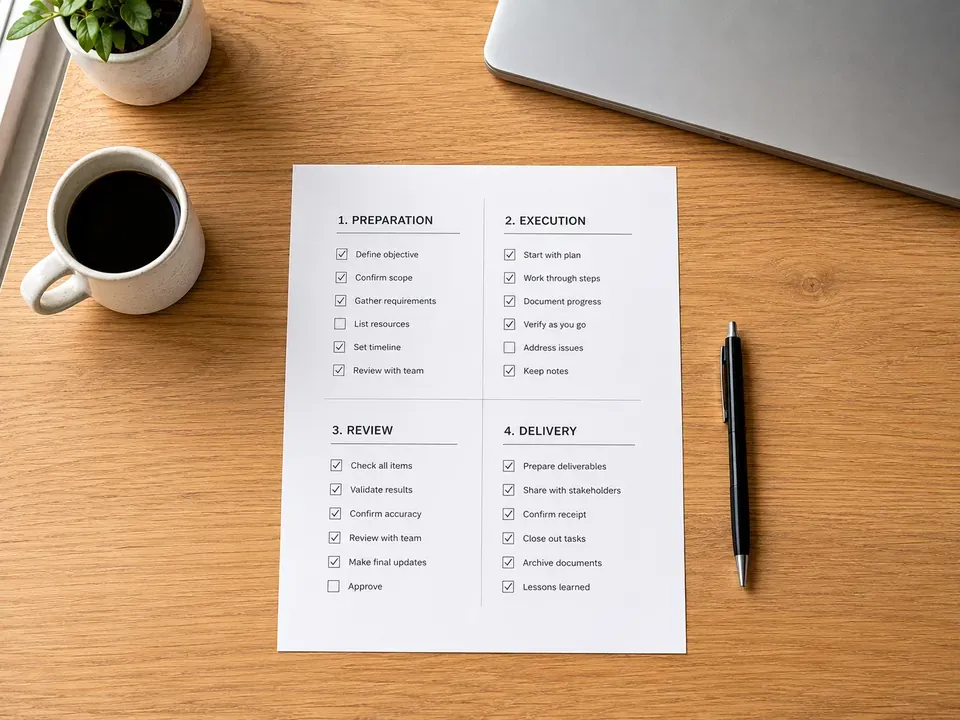
To optimize website for AI search, start with crawlable technical SEO, clear service pages, answer-ready content, schema, internal links, proof, local details, and strong conversion paths. AI visibility improves when your site is easy to access, understand, trust, summarize, and cite.
AI search optimization is closely connected to SEO. Google says foundational SEO best practices still apply because generative AI features are rooted in core Search systems. However, AI search also rewards clear answers, structured content, entity signals, and source credibility.
The most important pages are your homepage, service pages, location pages, blog posts, FAQs, case studies, pricing or process pages, and contact page. These pages explain who you are, what you do, who you help, and why users should trust you.
Schema can help search systems understand page content, but it is not a guarantee. Use structured data accurately and only when it matches visible content. Strong content, technical SEO, and trust signals still matter.
Yes. A small business can improve AI search visibility by building a clear, helpful, technically sound website with strong service pages, local details, reviews, FAQs, and useful educational content. The goal is to become easier for both people and AI systems to understand.
Build a Website AI Search Can Understand
To optimize website for AI search, do not start with gimmicks. Start with the foundation: crawlability, page structure, helpful content, proof, schema, internal links, local details, and conversion paths. Your website has to be useful to humans and clear to machines.