





Ad Account Ownership Audit: Three Questions, One Recording
An ad account ownership audit answers three questions and takes about ten minutes of work. That is the whole thing. So if you have seen the offer and wondered where the catch is, this post exists to describe it plainly rather than to sell it. Here is what gets checked, what arrives, what we find most often, and what happens when the answer is that everything is already in your name.
Ad Account Ownership Audit, In Short
The Three Questions It Answers
Everything in this month reduces to three questions, and the audit answers exactly those. First, whose name is on the ad account. Second, who holds the pixel and the conversion history built from your spend. Third, what would actually transfer if you changed providers tomorrow.
So it is deliberately narrow. Three questions with factual answers, each one sitting in a settings screen somebody can read. Then you have something specific rather than a general worry, and specific is what you can act on.
What The Ad Account Ownership Audit Checks
Here is the whole scope. Read the first column as the item, then the rest as where the answer lives and what you would notice in the recording.
| Trait | What it means | Where it comes from | What you notice |
|---|---|---|---|
| Ad account | Which business holds the account your spend runs through. | Business Settings, Owned By | So this is a single line with a single name. |
| The pixel | Which container holds the data source and its history. | Events Manager, owning business | Then the history follows whoever holds it. |
| Audiences | Where the retargeting lists and lookalikes live. | The audience list and its sources | Also, lookalikes never transfer at all. |
| Analytics | Whether anyone at your company holds admin rights. | Analytics access management | In fact, viewer access is common and is not enough. |
| What transfers | A plain list of what would move and what would stay. | The three answers above | So you end with a list, not an opinion. |
What Arrives, And When
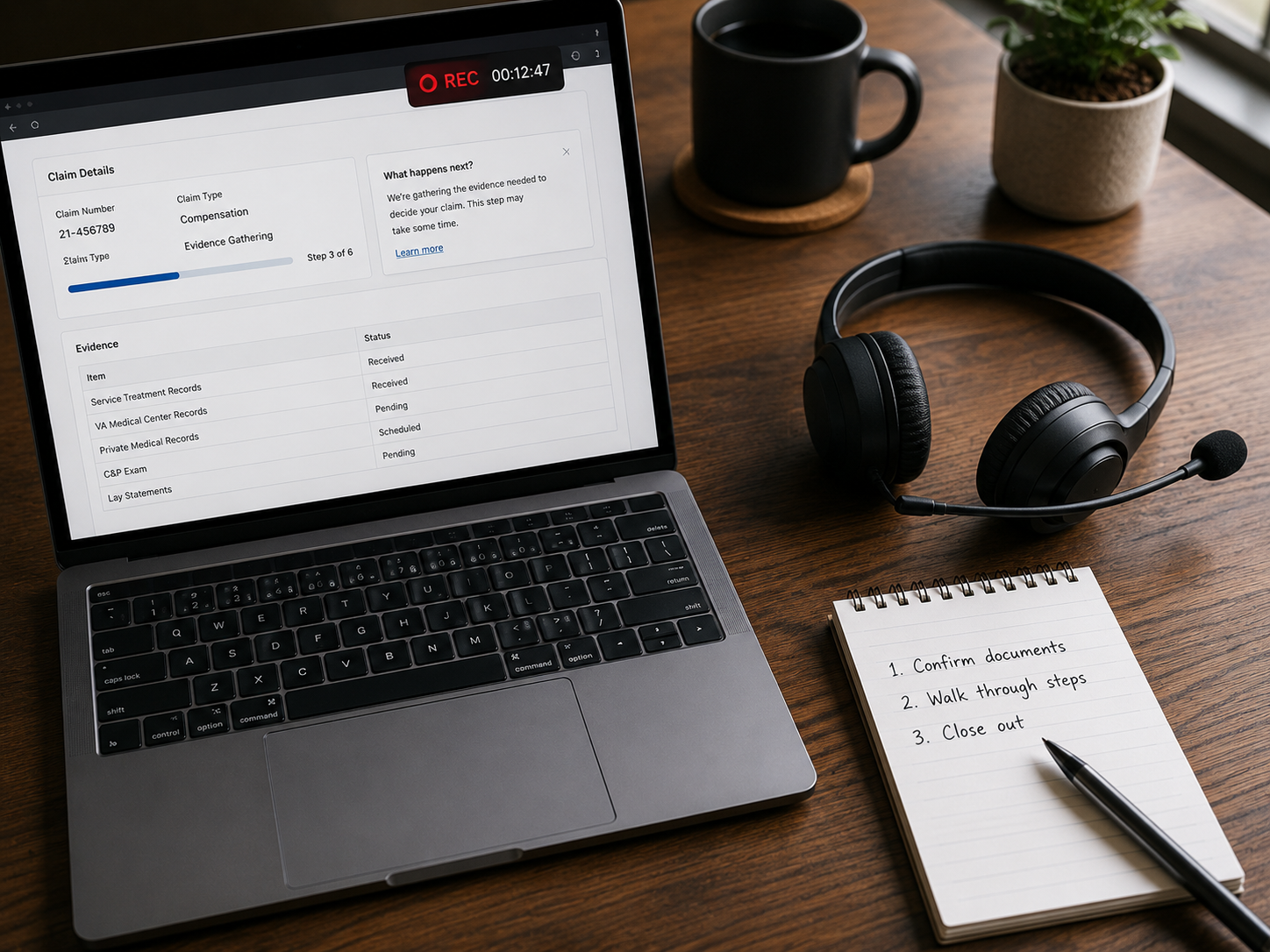
You get a short screen recording by email, normally within two business days. So there is no meeting, no calendar invite and nothing to attend.
The recording walks through the actual screens and reads out what they say. Then you can watch it once, forward it to a partner, or ignore it entirely. Also, you keep it, which matters more than it sounds. A dated recording of what your settings said this week is a useful thing to own, whatever you decide to do next.
The Most Common Finding, By Some Distance
In our experience the most common finding is not a villain. It is a split. The ad account sits correctly in the client's name, and the pixel does not.
So the arrangement looks fine on the screen most people check and different on the one nobody opens. Then the practical effect is that the account would move and the history would not, which is the expensive half. Of course, this is almost never deliberate. It happens because the pixel gets created during a website build, quickly, by whoever was on the call that day.
The Second Most Common Finding
The second is simpler and more awkward. Nobody at the business can log in to check anything at all.
In our experience that is roughly as common as the first, and it produces a shorter recording, because there is very little to read. Then the recommendation is the same every time: request access rather than a transfer, since it is a smaller ask and it tells you where you stand. Also, how quickly that request gets answered is itself information worth having.
When Everything Is Already Clean
Sometimes the answer is that everything is exactly where it should be. So the recording says that, and that is the end of it.
Then there is nothing else to do, no follow-up sequence and no second email suggesting a call anyway. In fact, this outcome happens often enough that it is worth stating plainly, because the fear of a clean result turning into a pitch is the main reason people do not ask. The ongoing work sits in social media marketing in El Paso and SEO services in El Paso for anyone who does want to talk afterwards.
Meet the VenPro team →Why There Is No Pitch On The Recording
A pitch on the recording would break the thing that makes it useful. You asked a factual question, so you get a factual answer, and mixing the two would make you doubt the first one.
So if the answers suggest a conversation is worth having, that conversation is a separate thing you can choose or decline. Then the audit stays what it says it is. Granted, this is also self-interested: an audit people trust gets requested and forwarded, and one that turns into a sales call does neither.
What The Audit Does Not Cover
Being clear about the edges matters as much as describing the middle. Four things sit outside it.
- Campaign performance. So it does not judge whether your ads are well built or whether the spend is working.
- Creative and messaging. Then nothing in it comments on the ads themselves or how they read.
- Your website and its build. Also, site quality is a separate review, covered by El Paso web design and development.
- Anything requiring your passwords. Finally, it works from what you can see and share, not from access you hand over.
That narrowness is the point rather than a limitation. Indeed, an ownership review and a performance review are different pieces of work, and bundling them would make both worse. Google documents the account permission levels behind all of this in Google's account access documentation, and general footing on vendor arrangements sits in the SBA small business guidance.
More VenPro marketing insights →Frequently Asked Questions
Q1 What happens after an ad account ownership audit comes back clean? +
Q2 What is an ad account ownership audit? +
Q3 Is the audit really free? +
Q4 Is there a pitch on the recording? +
Q5 What does the audit not cover? +
How To Request An Ad Account Ownership Audit
Requesting an ad account ownership audit takes one message and no preparation. So tell us which platforms you spend on and we will tell you what we need to look. Then the recording comes back within two business days, and whatever it says, you keep it.