How to Measure Sponsorship Results Without Vanity Metrics
Here is how to measure sponsorship results the way an owner should: calls, messages, codes and Google Business Profile activity, never impressions alone. Too often, owners are handed reach numbers and asked to be impressed. However, the numbers that matter are the ones that touch the register. So this guide lays out a simple setup with four signals, plus a four-week read before you judge anything. At VenPro Solutions, we believe a sponsorship should be measured like any other spend: did the phone ring?
How to measure sponsorship results, in short
How to measure sponsorship results: reach is not a result
Reach tells you how many people could have heard your name. However, it does not tell you whether any of them called, visited or bought. So a big reach number can sit right next to a quiet phone, and the report will still look good.
So that is the problem with judging on impressions alone. They measure the size of the room, not what happened in it. By contrast, a call, a code at the counter or a message with your keyword is a person who acted. In short, a result is something a customer did.
So the goal is to set up signals that catch those actions. Our guide on quality traffic over quantity makes the same case for websites. The outcome: numbers you can take to the bank, not numbers that only look good in a report.
How to measure sponsorship results at a glance
Here is the whole setup in one view. Each row is one signal, plus the rule for reading them. Then the last two columns show where the signal comes from and what you will notice when it works.
| Trait | What it means | Where it comes from | What you notice |
|---|---|---|---|
| The phone | Calls on a tracked number, or a counter question | A separate number, or you at the register | So you can count calls tied to the read |
| A listener-only code | An offer only radio listeners know | The wording of the read | Each use is a listener who acted |
| DM keywords | A word listeners send you in a message | Your Instagram or Facebook inbox | So every message is a hand raised |
| Google Business Profile | Views, direction requests and calls | Your profile's performance data | Then you see searches turn into visits |
| The four-week rule | Four weeks of consistent reads before judging | How recall builds | So one quiet Friday does not end the test |
Signal one: the phone, tracked or asked
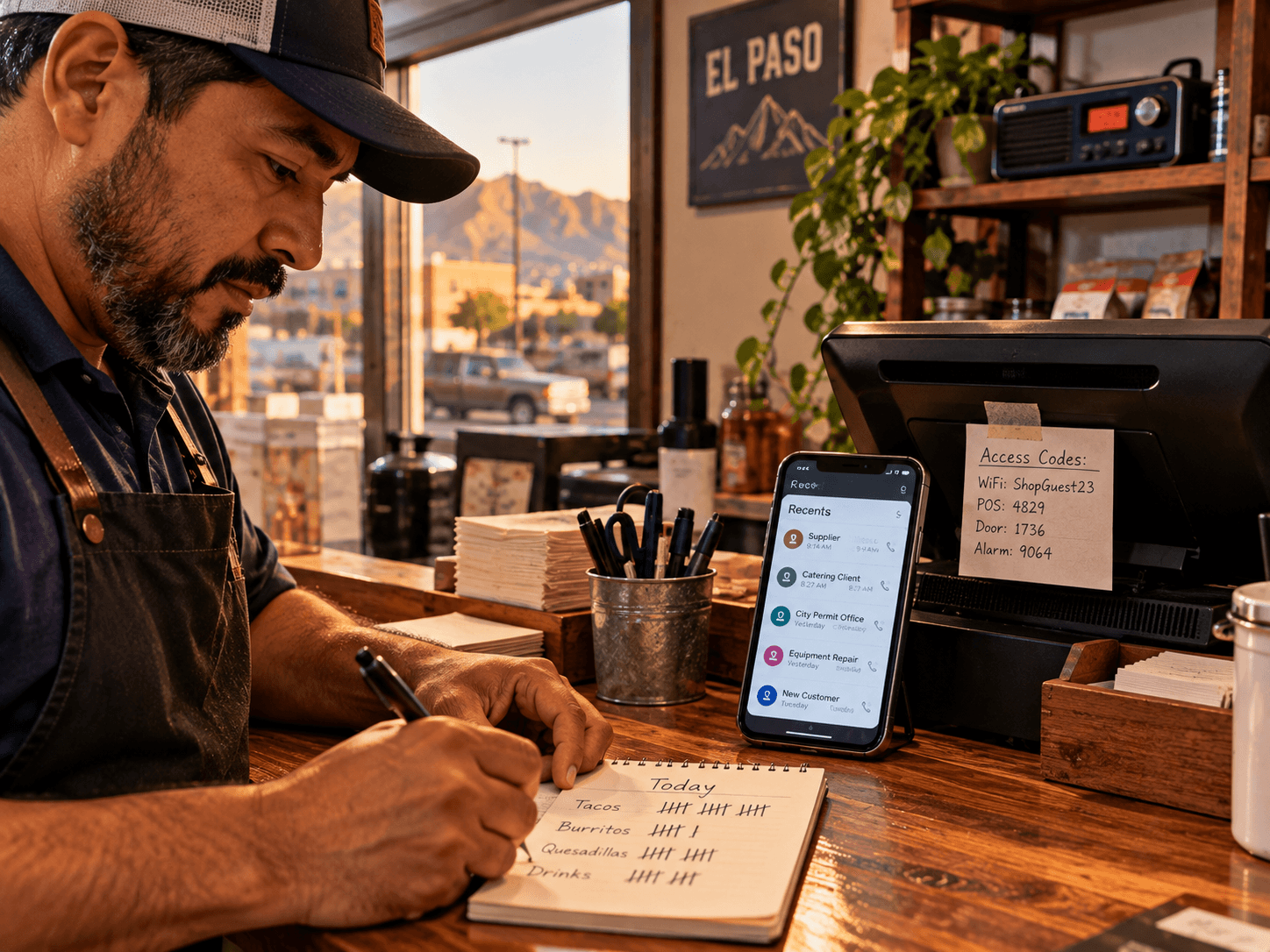
The phone is the simplest signal, and there are two ways to catch it. First, use a separate phone number that only appears in the sponsorship. As a result, every call to that number came from the sponsorship. Second, if a new number is not practical, ask a counter question: "How did you hear about us?"
Either method works, so pick the one your team will actually use. Also, write the answers down the same way every time, with a date. In fact, a notepad by the register is enough. You do not need special software. A separate phone number and a notepad work, and software helps when you scale.
That tally becomes the backbone of your sponsorship ROI as a small business. The outcome: a clear count of calls you can trace to Friday night.
Signal two: a code or offer only listeners know
A listener-only code turns a radio mention into something you can count. The read names a short code or offer, and it appears nowhere else. So every time someone uses it, you know a listener acted on what they heard.
Keep it simple. A single word that is easy to say on air and easy to remember at the counter tends to work well. Also, keep the offer small and real, so it gets used without eating your margin. For a promo code on a radio sponsorship, the wording gets worked out with you on the call.
Then track redemptions the same way you track calls: date, count, what they bought. The outcome: proof in the register, tied to the broadcast.
Signal three: DM keywords and what they tell you
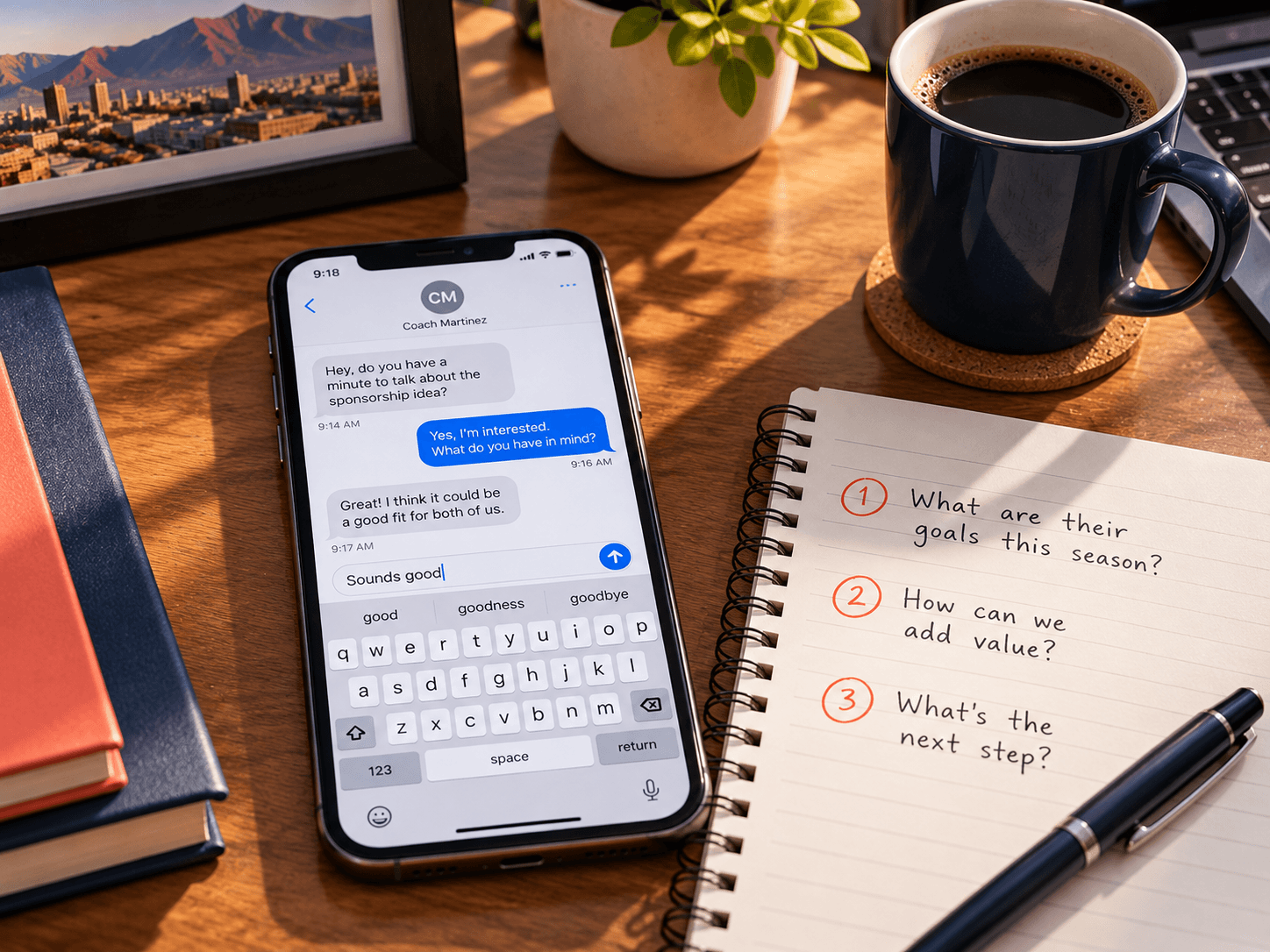
A DM keyword is a single word listeners send you on Instagram or Facebook. It works like a code, but it lands in your inbox instead of at the counter. So each message is a person raising a hand, and you can reply the same day.
DM counts tell you two things. First, how many people acted. Second, what they wanted, because you can read the message and answer it. In fact, that is the same method we use ourselves: one question, one word to message. The outcome: leads you can see, count and answer.
To make DM counts useful, keep the keyword unique to the sponsorship. Then count messages by week, and note which ones turn into a call or a sale. Also, answer each one quickly, so the person who raised a hand hears back while the game is still fresh.
Signal four: Google Business Profile views, directions and calls
Your Google Business Profile shows how people find and act on your listing. Views, direction requests and calls all show up in its performance data. Google's help pages explain where to find those insights and what each one means.
For Google Business Profile sponsorship measurement, write down those three numbers before the first read. Then compare them week by week. A listener who hears your name on Friday may search for you on Saturday. So a lift in views and direction requests can be an early sign of recall. A strong profile also helps, which is the job of local SEO for small businesses. The outcome: you see searches turn into visits.
The four-week rule before you judge
Give it four weeks of consistent reads before judging. Sponsorship builds recall, and recall shows up on a delay. So one quiet week does not mean it failed, and one busy week does not mean it worked.
Here is how to run the four weeks. First, note your baseline numbers the week before the first read. Next, track all four signals every week, the same way. Then, after week four, compare the totals against that baseline. If you want a wider framework for reading those numbers, the Small Business Administration has plain guidance on marketing measurement for small businesses. The outcome: a judgment based on a month of evidence, not a gut feeling after one Friday.
Maximizing ROI for small businesses →What we set up for sponsors so this is not homework
Every sponsor gets the tracking set up before the first read. So you do not have to build any of this alone. We set up the pieces that fit your business before Friday night.
- The phone signal. A tracked number or a counter question, whichever your team will use.
- The listener code. A short code or offer written into the read.
- The DM keyword. One word for listeners to send, so every message counts.
- The profile baseline. Your Google Business Profile numbers, noted before the first read.
That turns a sponsorship into a system with numbers attached. The outcome: you know whether it worked, and you did not have to guess.
Measuring success with analytics →Frequently Asked Questions
Q1 Can you show me how to measure sponsorship results on a small budget?
Q2 How do I measure a radio sponsorship?
Q3 How long before I know if it worked?
Q4 Do I need special software?
Q5 Will you set this up for me?
Want the tracking set up? Message us SPONSOR
So now you know how to measure sponsorship results: the phone, a listener code, DM keywords and your Google Business Profile, read over four weeks. That is how a sponsorship earns its place in your budget. If you want the tracking set up for you, the next step is one word. Message us SPONSOR on Instagram or Facebook.