Is Radio Advertising Worth It for an El Paso Small Business?
Is radio advertising worth it for a small business in El Paso? The honest answer is yes for some businesses and no for others. Owners hear that radio is dead, then hear their competitor's name on a Friday night broadcast and wonder what they are missing. So this guide gives a straight answer: who radio fits, who it doesn't, how spots, live reads and sponsorships differ, and how to track whether it is working.
Is Radio Advertising Worth It? The Short Answer
Why the Answer Depends on the Business
First, radio reaches people by place, not by interest. So it works best when your customers are spread across the city, not hidden in a small niche. For example, a restaurant, an auto shop or a dental office serves almost anyone nearby. By contrast, a business that sells to a handful of specialists won't find many of them in a general radio audience.
Next, the format matters too. A spot in a commercial break is one kind of ad. However, a live read inside a program the listener chose is another. Also, a sponsorship that ties your name to a whole season is a third. So "radio" is really three different things, and they don't perform the same way.
Finally, tracking decides whether you can even answer the question. If you can't tell whether radio brought customers, you can't tell whether it was worth it. Outcome: by the end of this guide, you can judge radio for your own business, not just in general.
Spots, Live Reads and Sponsorships at a Glance
So here is how the three formats differ, in one view.
| Trait | What it means | Where it comes from | What you notice |
|---|---|---|---|
| Radio spot | A recorded ad | A commercial break | Your ad sits among others |
| Live read | The host names your business | Inside the program itself | Your name in the moment |
| Sponsorship | Your name tied to the program | A season of broadcasts | Repeat recognition over weeks |
| Tracking | One word, code or question | Your counter and phone | Proof of what radio did |
Is Radio Advertising Worth It for Your Business? Who It Fits
Basically, radio fits local, repeat-purchase businesses with a broad customer base. For instance, think restaurants, auto shops, tire shops, salons, dental offices, home services and family entertainment. In particular, it fits businesses where a customer might buy again and again, because a name heard every week turns into a habit.
It also fits businesses that can make a simple offer. Then a listener who hears "say Friday at the counter" knows exactly what to do. So if your business is local, broad and easy to explain, radio is worth a serious look. For a closer look at fit, read which businesses fit a Friday night audience.
When Is Radio Advertising Worth It? Not for These Businesses
Of course, radio is a weaker fit for some businesses, and it is better to know that before you spend. So here are the clearest cases.
- Niche business-to-business. If you sell to a small group of specialists, then most listeners will never be customers.
- Online-only businesses. If customers can't walk in or call a local number, then the local reach matters less.
- One-time tiny offers. If the purchase is small and rare, then there is not enough repeat business to justify the reach.
Still, that doesn't make radio bad. It just makes it the wrong tool for those jobs. In short, a straight "no" now saves you a disappointing season later.
So before you buy any radio, run a quick check. First, write down who your best customers are and where they live. Next, ask whether those people are likely to be listening to the program you are considering. Then decide the one offer you would make, and how you would count it. Finally, set a review date a few weeks in. If you can answer all four, you are ready to find out whether radio is worth it for you. If you can't, that tells you something too. In fact, that short checklist answers the question "is radio advertising worth it" better than any general rule.
Spots vs Live Reads vs Sponsorships: What Is Actually Different
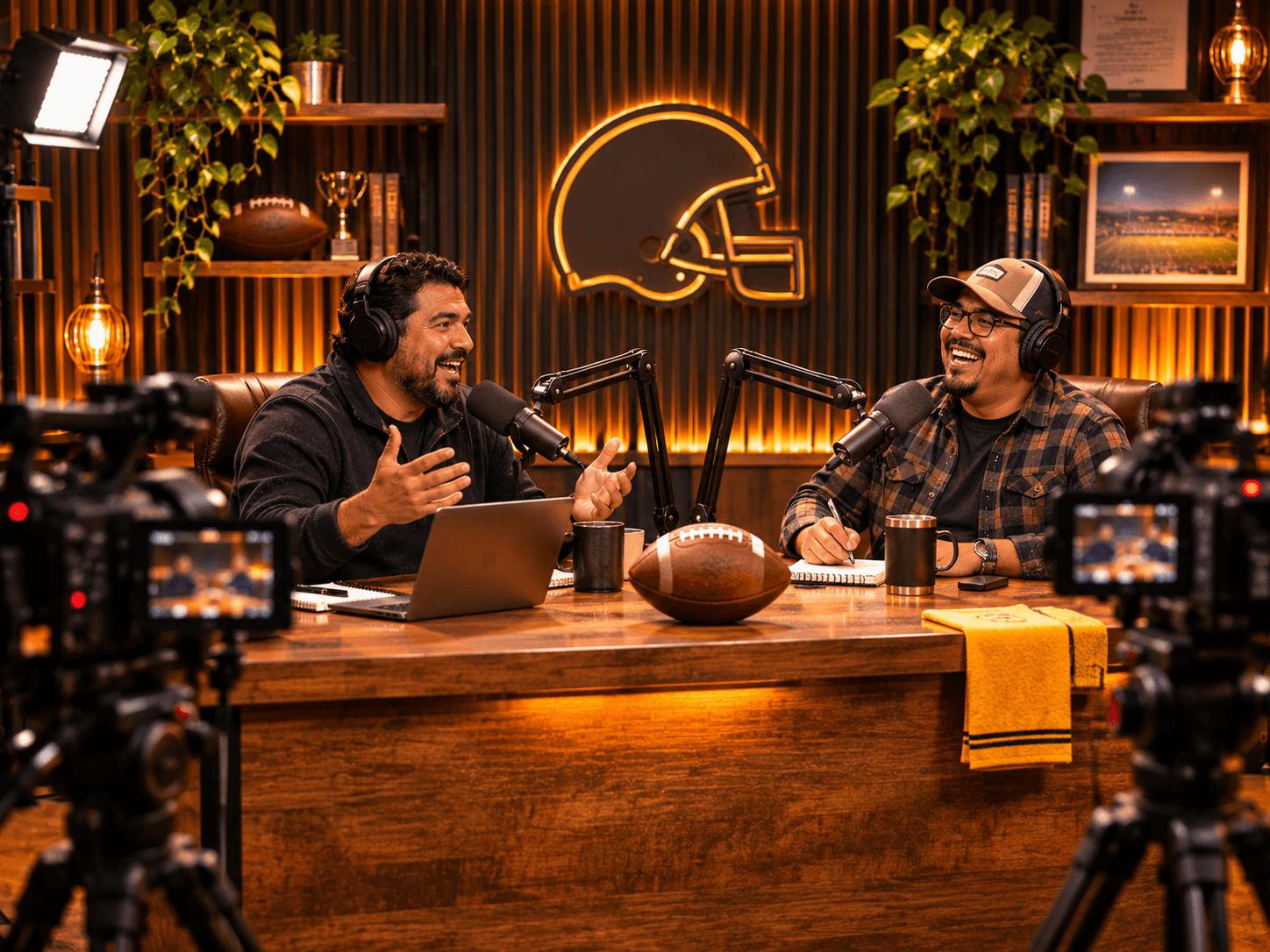
First, a spot plays in a commercial break. It is recorded ahead of time and sits between other ads. A live read, by contrast, is the host naming your business during the broadcast itself. So it lands inside the content the listener tuned in for, not in the break they might tune out.
Then there is the sponsorship, which ties your name to the program itself, often with live reads by the hosts during the broadcast. Also, a season-long sponsorship repeats your name every week, which builds recognition over time. For more on how spots work on a local show, see how a local podcast spot works.
Why Listeners Inside a Live Local Broadcast Pay Attention Differently
In particular, live local programs draw listeners who tune in for that specific broadcast. On a Friday night high school football call, that means parents, alumni and fans who can't be at the game. In our sponsor guide, we describe the audience as local, loyal and adult, including grandparents, Fort Bliss families and people driving across town on a Friday night.
So these listeners are not half-listening to background music. They are following a game they care about. As a result, a name read during that game reaches people who are paying attention, in our view. That is the core of why live reads differ from spots.
What a Friday night sponsor actually buys →How to Track Radio
Ultimately, tracking is what turns radio from a guess into a decision. So here are four ways to do it, and in our experience the best results come from using more than one.
- A keyword. Give listeners one word to say at the counter or on the phone, then count it.
- A code. Offer a code for online orders or bookings that only appears on the radio.
- Call tracking. Use a tracking number, or watch your call volume in the days after each broadcast.
- Ask at the counter. Ask every new customer how they heard about you, and write it down.
Also keep the offer honest, of course. The FTC has truth-in-advertising basics that apply to any ad, radio included. The U.S. Small Business Administration covers advertising and marketing basics too.
Then read the results over weeks, not days. One broadcast rarely tells the whole story. Instead, look at the trend across a few weeks: are counter mentions, codes and calls rising after each broadcast? If they are, the format is working. If nothing moves after several weeks, change the offer first, then the format. In short, give radio a fair test, then make the call with numbers.
For a way to judge local reach before you commit, read how to tell if a local show reaches anyone.
Frequently Asked Questions
Q1 Is radio advertising worth it for a small business?
Q2 How can I tell if radio fits my business specifically?
Q3 What is the difference between a radio spot and a sponsorship?
Q4 How do you track radio advertising results?
Q5 Who listens to local sports radio?
Want to Be a Sponsor on Friday Night Football? DM SPONSOR
So if your business is local, broad and easy to explain, a Friday night sponsorship may fit. If it isn't, we will tell you that too. Send SPONSOR and you will get three short questions back, then a fifteen-minute call if it fits. So the answer to "is radio advertising worth it" becomes an answer about your business, not radio in general.
See what happens after you message SPONSOR →