





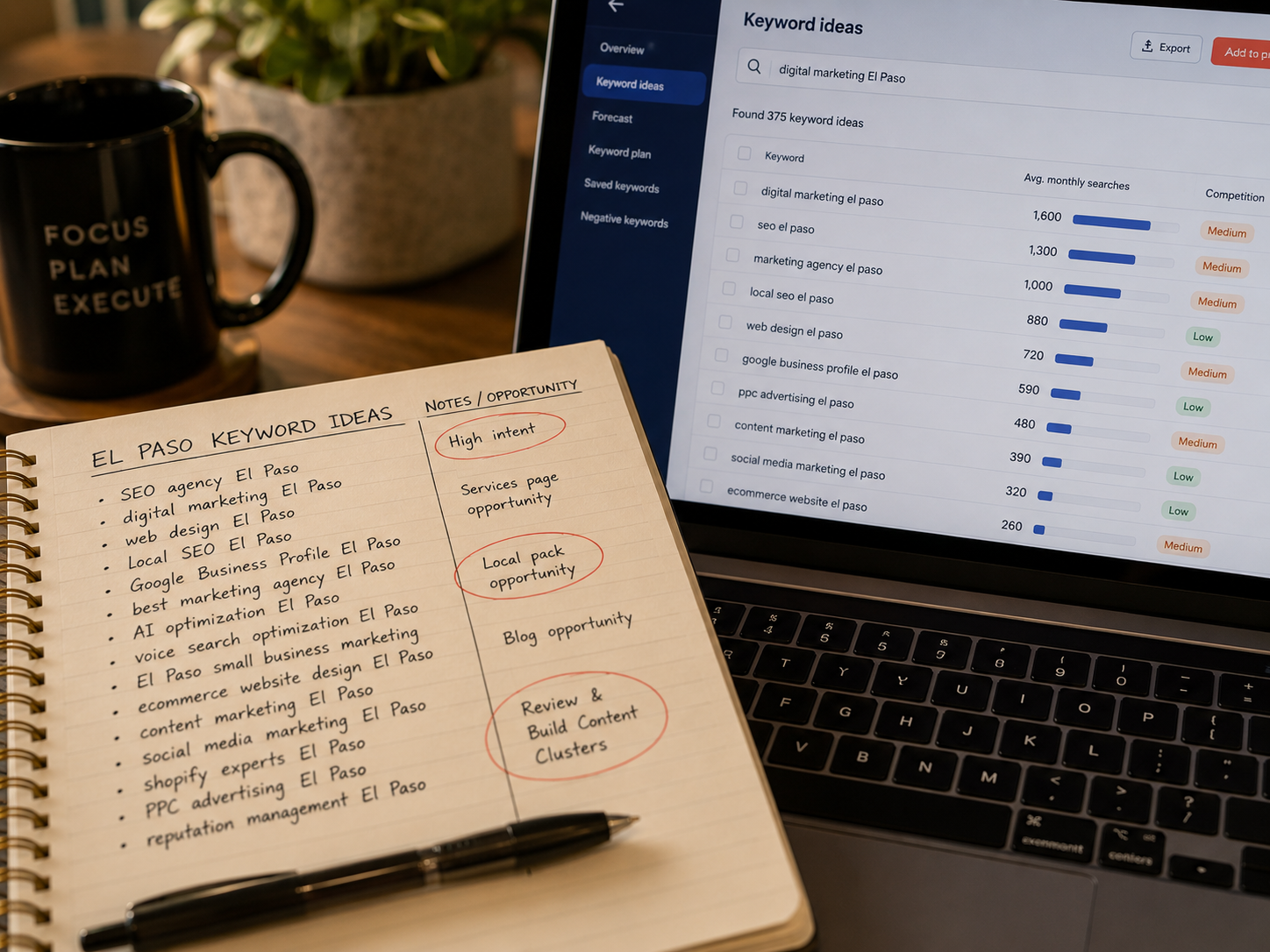
Keyword Research for Service Business: Find Better Leads
keyword research for service business is not just looking for phrases with the biggest search volume. It is the process of finding the terms real customers use when they need a service, compare options, ask local questions, check pricing, or get ready to book. For service companies, the right keywords should point toward calls, forms, appointments, consultations, and customers.
What Is Keyword Research for Service Business?
Why Keyword Research for Service Business Is Lead-Fit Research
Many businesses chase keywords because a tool shows a high monthly search number. However, high volume does not always mean high value. A broad phrase may bring traffic from people who are not local, not ready to buy, or not looking for the service you actually provide.
That is why keyword research should start with lead fit. A good keyword should answer three questions: Who is searching? What do they need? What should they do next?
Google’s SEO Starter Guide explains that search optimization should help search engines understand content and help users find useful information. That matters for service companies because pages should be built around what customers are actually trying to do, not just around what a keyword tool reports. Review Google SEO Starter Guide.
Search Console can also show the queries that already bring impressions and clicks to a site. Those queries can reveal hidden demand, service gaps, and topics worth improving. Review Google Search Console performance reporting.
Build a service-focused SEO strategy →Keyword Types for Service Businesses at a Glance
Use this table as a practical map. The best service business keyword strategy usually includes several keyword types, not just one main phrase.
| Keyword type | Search intent | Best page use | Example pattern | Lead value |
|---|---|---|---|---|
| Core service keywords | User needs a known service | Main service pages | roof repair, tax preparation | High if local and specific |
| Local modifier keywords | User wants a nearby provider | Location pages, local sections | roof repair in El Paso | Very high for local leads |
| Problem-aware keywords | User has a symptom or issue | Blogs, FAQs, service pages | why is my AC leaking water | Medium to high |
| Comparison keywords | User is choosing between options | Guides, comparison pages | repair vs replace water heater | High for decision support |
| Pricing keywords | User wants cost clarity | Pricing sections, FAQs, blogs | how much does lawn care cost | High if handled honestly |
| Urgent keywords | User needs help now | Emergency service pages | same day garage door repair | Very high |
| Long-tail FAQ keywords | User asks a specific question | FAQ sections, blogs | how often should I clean air ducts | Medium, strong for AI search |
Start Keyword Research for Service Business With Actual Services
Before opening a keyword research tool, write down the services that make money for the business. This sounds simple, but it prevents a common mistake: ranking for topics that create traffic without creating revenue.
Start with the core service list. Then, break each service into subservices, common problems, customer questions, locations, urgency levels, and buying stages. For example, a home service company may not only need HVAC repair. It may also need pages or sections for AC repair, furnace repair, emergency HVAC service, thermostat issues, maintenance plans, and service areas.
Similarly, a professional service business may need keywords for consultations, audits, planning, ongoing support, pricing, industry specialties, and local availability. Each keyword should connect to a real offer.
Map Keywords to Search Intent
Search intent is the reason behind a query. In service SEO, intent usually matters more than volume because it tells you what kind of page the searcher expects.
Someone searching how to fix a clogged drain may want a DIY answer. Someone searching clogged drain plumber near me likely wants a service provider. Meanwhile, someone searching best drain cleaning company is comparing options. These searches should not all land on the same page.
A useful keyword map separates intent into four groups. Awareness keywords explain problems. Consideration keywords compare solutions. Decision keywords support booking or contact. Local-intent keywords connect the service to a place.
See how purpose-led content supports growth →Add Local Modifiers That Match Real Demand
For many service companies, location changes everything. A keyword without a city, neighborhood, county, or near me modifier may be too broad. However, a local version of the same keyword can show much stronger buying intent.
Local modifier keywords include phrases like near me, city names, neighborhoods, counties, regions, and service areas. For example, commercial cleaning is broad. Commercial cleaning company in El Paso is much more specific. Also, near me searches often depend on proximity, Google Business Profile strength, reviews, and local relevance.
Still, avoid creating thin location pages just to target every city. Each page should include useful local context, real service details, proof, FAQs, and a clear path to contact the business. Otherwise, the page may feel generic.
Study Competitor Gaps Without Copying Competitors
Competitor research is useful, but it can also lead businesses into copycat SEO. The goal is not to mimic every page a competitor has. The goal is to find gaps, missed questions, stronger angles, and better ways to serve the customer.
Look at competitors that rank for your core services. Which service pages do they have? Which FAQs do they answer? Which locations do they target? Which terms appear in headings, titles, and internal links? Also, what are they missing?
Often, service businesses can win by being clearer. A competitor may rank with a thin page, but leave out pricing context, service process, proof, emergency options, before-and-after examples, or helpful FAQs. Those gaps become opportunities.
Turn Keyword Research for Service Business Into a Page Plan
keyword research for service business only creates value when it turns into action. That means every important keyword needs a destination.
Core service keywords usually need dedicated service pages. Local modifier keywords may need location pages or local sections. Problem-aware keywords can become blog posts, FAQ answers, or supporting sections on service pages. Comparison and pricing keywords can support decision-stage content. Urgent keywords may need fast-loading emergency service pages with clear contact options.
VenPro’s web design services can help structure service pages, internal links, navigation, CTAs, and conversion paths so keyword research supports real action instead of sitting in a spreadsheet.
Build keyword-focused service pages →Measure Keywords by Leads, Not Just Rankings
Rankings matter, but they are not the final score. A service business should measure whether keyword-targeted pages produce qualified traffic, calls, forms, bookings, quote requests, and customers.
Start with Search Console to see which queries drive impressions and clicks. Then, use analytics and call or form tracking to understand what visitors do after they land. A keyword that ranks lower but produces better leads may be more valuable than a high-ranking keyword that creates low-quality traffic.
Also, review performance by page type. Which service pages create calls? Which blog posts assist conversions? Which location pages bring qualified visitors? Which FAQs reduce objections? These answers help you update content, improve CTAs, and prioritize future keyword work.
Keyword Research for Service Business Checklist
Use this checklist to turn research into a working SEO plan.
- List your money services. Start with the services that produce revenue, not just the topics that sound interesting.
- Break each service into subservices. Include repairs, consultations, audits, installations, maintenance, emergency help, or specialties.
- Collect customer language. Pull phrases from sales calls, reviews, FAQs, emails, Google Business Profile questions, and support conversations.
- Group keywords by intent. Separate awareness, consideration, decision, urgent, and local-intent keywords.
- Add local modifiers. Include city, neighborhood, county, region, service area, and near me variations where relevant.
- Check competitor pages. Look for missed questions, weak content, missing proof, thin location pages, and unclear CTAs.
- Map keywords to pages. Decide which keywords need service pages, location pages, blogs, FAQs, comparison sections, or pricing content.
- Prioritize lead value. Focus first on keywords tied to real services, strong intent, and qualified customer actions.
- Build internal links. Connect blog posts, service pages, location pages, pricing pages, and contact pages.
- Write helpful content. Answer the searcher’s actual question before asking for the sale.
- Track actions. Measure calls, forms, bookings, quote requests, pricing clicks, and consultation requests.
- Update the map regularly. Revisit keywords when services, locations, competitors, or customer questions change.
Frequently Asked Questions
Q1What is keyword research for service business?+
Q2How do service businesses choose the right keywords?+
Q3What keyword types matter most for local service companies?+
Q4Should every keyword get its own page?+
Q5Can VenPro help with keyword research for service business?+
Turn Service Searches Into Better Leads
keyword research for service business works best when it connects real customer language to real business goals. Instead of chasing every keyword, service companies need to understand which searches show need, urgency, location fit, and buying readiness.