





2,000 Jobs and Counting — Why the Fort Bliss Investment Could Be El Paso's Biggest Economic Moment in Years
Think about what 2,000 jobs means to a city like El Paso. It means 2,000 families with steadier income. It means 2,000 more people eating at local restaurants, shopping at neighborhood stores, and putting roots down in our community. It means ripple effects that reach far beyond the base’s gates and into every corner of this city.
That is exactly what is on the table right now. The U.S. Army’s conditional agreement with global investment firm Carlyle to build a commercial data center at Fort Bliss is projected to bring an estimated 2,000 jobs and billions of dollars in private investment to the El Paso region. For a city that has always punched above its weight, this could be the economic moment that changes the conversation about El Paso for a generation.
| Economic Detail | Information |
|---|---|
| Projected Jobs Created | Estimated 2,000 |
| Type of Investment | 100% private capital — no taxpayer funds |
| Investor | Carlyle — Global Investment Firm |
| Investment Scale | Billions of dollars in private investment |
| Funding Mechanism | U.S. Army Enhanced Use Lease (EUL) Program |
| Primary Sectors Impacted | Construction, tech, real estate, staffing, retail, hospitality |
| Revenue Destination | Quality-of-life improvements for Fort Bliss soldiers and families |
| Current Status | Conditional agreement — final negotiations underway |
| Negotiating Body | Department of the Army + U.S. Army Corps of Engineers |
| Reference | Fort Bliss Public Affairs |
What Does 2,000 Jobs Actually Look Like in El Paso?
Numbers on a press release can feel abstract. So let’s make this real.
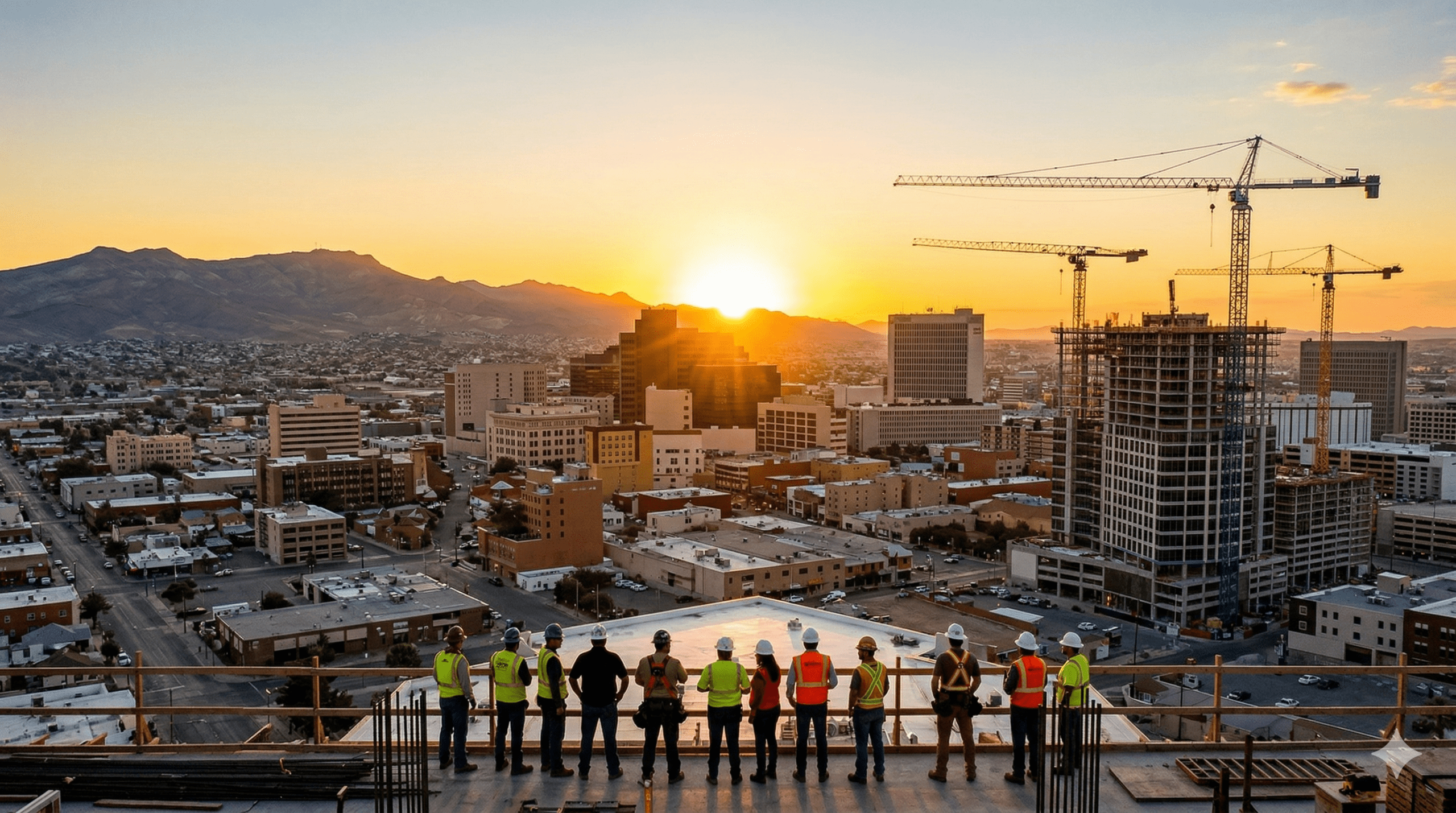
A project of this scale typically unfolds in two distinct phases. The first is construction. Building a commercial data center campus is a massive undertaking — we are talking about heavy civil work, electrical infrastructure, fiber installation, cooling systems, and structural development that takes years to complete. During this phase, the project generates jobs for electricians, ironworkers, plumbers, project managers, site supervisors, engineers, and general laborers. Many of these are high-wage skilled trades positions that El Paso workers are already trained for.
The second phase is operations. Once the facility is running, it needs people to keep it that way — data center technicians, network engineers, security personnel, facilities managers, administrative staff, and support roles across multiple departments. These are permanent, long-term career positions. Not temporary work. The kind of jobs that let a family plan for the future.
Two thousand jobs spread across both phases means opportunity at nearly every skill level. Whether you are a recent graduate, a trade worker, or an experienced professional, a project like this creates an entry point.
The Billions Behind the Headlines — What Private Investment Means for Our City
The phrase “billions of dollars in private investment” gets used a lot in economic announcements. It can start to feel like background noise. But here is what it actually means for El Paso.
When a private firm like Carlyle commits billions to build and operate a facility in a city, that money does not stay inside the project. It moves through the local economy in dozens of ways. Construction contracts go to companies — ideally local ones. Building materials get sourced through regional suppliers. Workers spend their wages locally. Businesses open or expand near the new activity hub. Property values in surrounding areas shift.
This is what economists call the multiplier effect. Every dollar invested in a major infrastructure project generates additional economic activity beyond the initial spend. For a city like El Paso — which has historically seen large federal investment through Fort Bliss but less private sector capital — a commitment of this size from a major global firm is a different kind of signal. It says the private market sees value here. And that tends to attract more.
Which El Paso Industries Stand to Benefit Most?
The direct jobs are just the start. Here is a look at the industries across El Paso that are positioned to feel the impact.
Construction and Trades — This is the most immediate beneficiary. General contractors, subcontractors, electrical firms, plumbing companies, and civil engineering outfits will all see increased demand as the project moves from negotiation to groundbreaking.
Real Estate — A surge of 2,000 workers — many of whom may relocate to El Paso — means increased demand for housing. Rental markets, home sales, and commercial real estate near the base could all see upward pressure.
Staffing and Workforce Development — Staffing agencies and workforce training programs will play a critical role in connecting El Paso talent to these opportunities. Companies that get ahead of this curve now will be better positioned when hiring ramps up.
Hospitality and Retail — More workers and more spending means more customers for El Paso restaurants, hotels, shops, and service businesses. The hospitality sector — which took hard hits in recent years — stands to benefit from a sustained influx of activity.
Professional Services — Accounting firms, legal practices, marketing agencies, and business consultants serving the construction and tech sectors will see growing demand as the ecosystem around this project develops.
How Does This Compare to Other Big Economic Moments in El Paso's History?
El Paso has had its share of transformative economic chapters. The expansion of Fort Bliss itself during the post-9/11 military buildup brought thousands of soldiers and their families to the region, reshaping the local housing market and service economy in lasting ways. The growth of the University of Texas at El Paso has steadily built a knowledge economy pipeline over decades. The manufacturing and logistics boom tied to cross-border trade with Ciudad Juárez created an entire industrial corridor.
Each of those moments changed what El Paso could become. This one feels different in an important way. This is private capital — not federal budget decisions or university enrollment trends — choosing El Paso as the right place to invest billions. That is a market vote of confidence. And it comes at a moment when cities across the country are competing aggressively for exactly this kind of tech infrastructure investment.
El Paso has always had the geography, the workforce, and the grit. Now it is getting the recognition.
What El Paso Workers and Job Seekers Should Know Right Now
If you are watching this story and wondering what it means for your career, here is the honest answer: the jobs are not available today. Final negotiations are still underway, and construction timelines have not been announced. But the window to prepare is open right now — and that matters.
A few things worth doing in the months ahead. If you work in the trades, make sure your certifications are current and your résumé reflects your most relevant experience. Data center construction has specific requirements around electrical work, low-voltage systems, and safety protocols — knowing those standards puts you ahead of the line.
If you are interested in permanent operational roles, start familiarizing yourself with data center technology. Many community colleges and workforce development programs — including those connected to EPCC and UTEP — offer coursework in networking, systems administration, and IT infrastructure that directly align with these kinds of positions.
And if you are a business owner looking to land contracts — start building relationships now. Large-scale construction projects of this type typically work through general contractors who bring their own subcontractor networks. Getting your company in front of those networks before the project kicks off is far easier than trying to break in once the work is already underway.
Why This Investment Could Be Just the Beginning
Here is the part of this story that does not get enough attention. A project like this does not happen in isolation. When a major data center campus opens in a city, it tends to attract complementary investment — tech companies, logistics providers, cybersecurity firms, and defense contractors who want proximity to that infrastructure.
Cities like Huntsville, Alabama built entire tech ecosystems around their military installations over decades. San Antonio positioned itself as a cybersecurity hub by leveraging its defense infrastructure at Joint Base San Antonio. Both cities made deliberate choices to treat military investment as an economic anchor — and built outward from there.
El Paso has Fort Bliss. It has UTEP. It has White Sands Missile Range just up the road. And now it has a major private data center investment signaling that the defense-tech corridor in this region is real and growing. The question is not whether El Paso can become that kind of city. The question is how quickly the community — businesses, institutions, and residents — moves to make it happen.
Two thousand jobs and counting. This is only the beginning.
Frequently Asked Questions About the 2000 Jobs Fort Bliss El Paso Deal
How many jobs will the Fort Bliss data center bring to El Paso?
The project is projected to create an estimated 2,000 jobs in the El Paso region. These include both construction-phase positions and permanent operational roles once the facility is up and running.
What kinds of jobs will be created by the Fort Bliss data center?
Jobs will span a wide range — from skilled trades like electricians, ironworkers, and plumbers during construction, to permanent technology roles like data center technicians, network engineers, security personnel, and facilities management staff once the facility is operational.
When will the Fort Bliss data center jobs be available?
No official hiring timeline has been announced yet. The current agreement is still conditional, and final lease negotiations are ongoing. El Paso workers and job seekers are encouraged to use this time to build relevant skills and credentials.
How much private investment is coming to El Paso through this deal?
The Army’s announcement referenced billions of dollars in private investment from Carlyle. Specific figures have not been publicly disclosed, as final negotiations are still underway.
Which local businesses in El Paso will benefit from this investment?
Industries most likely to benefit include construction and trades, real estate, staffing and workforce development, hospitality, retail, and professional services. Businesses that position themselves early — through networking, certifications, and relationship-building — will be best placed to capture opportunities.
Does El Paso pay anything for this investment?
No. The project is funded entirely through private capital under the Army’s Enhanced Use Lease program. There is no cost to El Paso taxpayers or the city government.
Could this deal attract more investment to El Paso in the future?
Yes — historically, major data center investments act as anchors that attract complementary businesses and industries. Cities that have leveraged military infrastructure strategically, like Huntsville and San Antonio, have built thriving tech ecosystems over time. El Paso is positioned to follow a similar path.
At VenPro Solutions, we believe that what’s good for El Paso is good for El Paso businesses. We track the stories, investments, and opportunities shaping our city — so you can make smarter decisions for your brand and your future. Stay connected with the VenPro Insights blog for perspective that hits close to home.
Explore more at venpro.solutions/insights